First Person Boxing Tips: Essential Strategies to Dominate Your First Match
Master your debut in the ring with proven first person boxing tips, conditioning strategies, and expert round-by-round tactical advice.
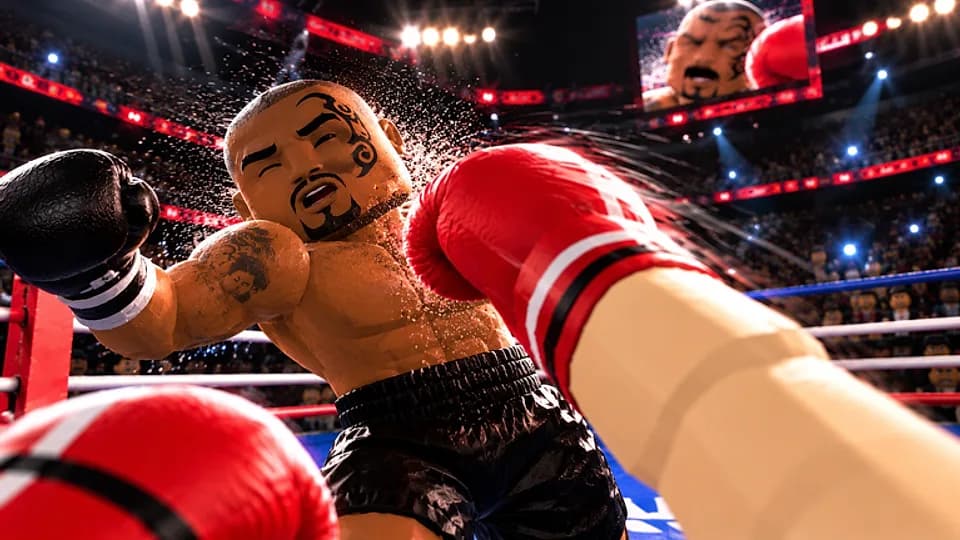
Stepping into the ring for the first time brings a unique rush of adrenaline, nerves, and high expectations, which is why having the right First Person Boxing tips can completely change your performance. Whether you are prepping for an amateur debut or trying to sharpen your approach to sparring, understanding how to manage your mindset and stamina is the ultimate key to success.
Understanding the Mental Game and Pre-Fight Nerves
Every fighter experiences anxiety before stepping under the bright lights, but the difference between winning and losing often comes down to how you handle that pressure. Community reports and veteran fighters emphasize that you actually face two distinct opponents: the one in your own mind and the one standing across the canvas.
Winning the psychological battle requires channeling your stress into productive focus rather than letting fear drain your energy before the opening bell.
| Mental Challenge | Cause | Proven Solution |
|---|---|---|
| Pre-fight Anxiety | Fear of the unknown, crowd pressure | Acknowledge it as normal excitement; breathe deeply. |
| Mental Fatigue | Over-analyzing moves during rounds | Rely on automatic muscle memory drilled in the gym. |
| Panicking | Getting overwhelmed by a fast start | Stick to your game plan, control your breath, and stay loose. |
When implementing First Person Boxing tips, remember that your coach is your anchor. Trusting your training helps dissolve pre-fight panic. As experienced fighters note, the fight is your reward—a chance to showcase months of hard work.
Round-by-Round Tactical Blueprint
Amateur and novice bouts move at a blistering pace, meaning you cannot afford to waste your gas tank early. Adopting a structured, multi-phase strategy ensures you remain dangerous from the opening bell to the final referee decision.
Round 1: Box, Touch, and Establish Control
The primary objective of the first round is not to chase a knockout, but to establish dominance, find your range, and gain the referee's respect.
- The Feeler Jab: Throw snappy, fast jabs to gauge your opponent's reach and defensive habits.
- Save Your Energy: Avoid swinging wildly for the fences; use 90% power to preserve your conditioning.
- Ring Generalship: Keep to the center of the ring, circle smoothly, and prevent your back from touching the ropes.
Round 2: Increase Pressure and Punching Volume
Once you have gathered data on your opponent's tendencies, the second round is where you step up the aggression.
| Round Phase | Primary Objective | Tactical Focus |
|---|---|---|
| Round 1 (Box) | Range-finding and rhythm | Establish the jab, control distance, stay relaxed. |
| Round 2 (Punch) | Aggression and power delivery | Sit down on your punches, step in, and push the pace. |
| Round 3 (Brawl) | Endurance and dominance | Automatic combinations, smothering, and heavy volume. |
During this phase, remember to defend the mirror side—expect a counterpunch from the exact opposite side where you threw your last strike. Move in and out with short steps rather than jumping, which wastes vital cardiovascular stamina.
Round 3: Dig Deep and Finish Strong
Judges heavily favor volume, aggression, and fighters who look like they are in control. When fatigue sets in during the final round, rely on automatic combinations drilled during training sessions. If you find yourself gassed, clever tactics like smothering—leaning into your opponent after a combination—can buy you precious seconds to recover without sacrificing defensive security.
Conditioning and Physical Preparation for the Ring
Fitness in boxing goes far beyond standard gym routines; it requires a specialized approach that taxes both aerobic and anaerobic systems. According to insights shared by professional fighters like Ed Latimore's boxing guide, fighters do not just get in shape to stay healthy—they get in shape specifically to survive and thrive in battle.
Essential Conditioning Framework
- Road Work Balance: Limit excessive long-distance running. Instead, focus on moderate 2-mile runs combined with high-intensity hill sprints to boost VO2 max and explosive leg drive.
- The Core Circuit: Incorporate high-repetition bodyweight movements (push-ups, sit-ups, lunges, and pull-ups) alongside 30 minutes of shadowboxing.
- Heavy Bag Mastery: Treat heavy bag rounds as high-intensity simulations where you throw every punch with bad intentions and zero wasted motion.
| Training Element | Frequency | Primary Benefit |
|---|---|---|
| Sprint Workouts | 2x per week | Enhances VO2 max and leg-driven punching power. |
| Shadowboxing | Daily / Pre-workout | Sharpens footwork, visualization, and defensive mechanics. |
| Core & Calisthenics | 3-4x per week | Builds structural stability and prevents mid-fight fatigue. |
Crucial Gear and Safety Checklists
Entering competition requires owning and maintaining your personal protective equipment. While local gyms often supply community items, having your own gear ensures a sanitary, custom-fit experience.
Must-Have Equipment Breakdown
- Mouthpiece: Essential for jaw and dental protection; custom-fit putty molds offer superior comfort and breathing capability.
- Boxing Shoes: Lightweight footwear engineered specifically for canvas traction, pivoting, and ankle support.
- Hand Wraps: Protects delicate metacarpals and wrist joints from impact fractures.
- Headgear: Absorbs blunt trauma during intense sparring and amateur competitive events.
- Groin Protector: A non-negotiable safety item that safeguards against accidental low blows.
Frequently Asked Questions About Your First Boxing Match
How do I stop getting nervous before my first boxing match?
Nervousness is entirely normal and stems from the uncertainty of competition. Channel that adrenaline by focusing on your breathing, reviewing your game plan with your coach, and viewing the fight as the reward for all your months of grueling training.
Should I go for a knockout in my first fight?
Never hunt for a knockout early on. Novice fighters who load up on every punch typically burn through their entire gas tank by the second round. Focus on clean scoring, volume, and boxing fundamentals instead.
What is the best strategy if my opponent is more aggressive than me?
If you face an aggressive swarmer, stay calm, utilize your jab to interrupt their momentum, and counter-punch as they step inside your range. Always make sure to hold the center of the ring and avoid backing straight onto the ropes.
Related Guides
First Person Boxing How to Play: Master Controls, Tactics, and Ringside Strategy
Learn First Person Boxing how to play with this ultimate guide. Master controls, stamina management, counters, and tactical slips to dominate the ring.
Mastering First Person Boxing Controls: Complete Game Guide & Combos
Learn essential First Person Boxing controls, movement tactics, and combinations to dominate the ring. Complete beginner-to-pro guide for virtual bouts.
The Ultimate First Person Boxing Beginner Guide: Master the Sweet Science
Master the sweet science with this comprehensive First Person Boxing beginner guide. Learn essential stances, lethal punches, footwork, and training tips.
The Ultimate First Person Boxing Guide: Master Basics, Technique, and Training
Master the sweet science with this ultimate First Person Boxing guide. Learn proper stances, foundational punches, conditioning, and training strategies.