The Ultimate First Person Boxing Beginner Guide: Master the Sweet Science
Master the sweet science with this comprehensive First Person Boxing beginner guide. Learn essential stances, lethal punches, footwork, and training tips.
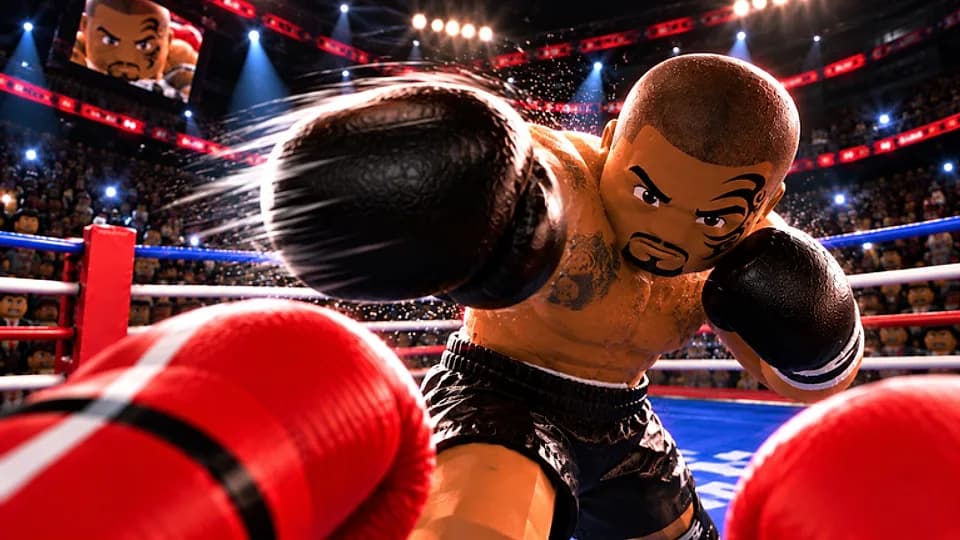
Stepping into the squared circle for the first time can feel overwhelming, which is why having a reliable First Person Boxing beginner guide is essential for any aspiring fighter. Whether you are aiming to step up your fitness routine or dream of competing in amateur bouts, mastering the sweet science requires a blend of mental toughness, precise footwork, and proper technique. This complete First Person Boxing beginner guide will break down everything you need to know from the ground up, ensuring you build a solid foundation without picking up bad habits.
Boxing is widely regarded as one of the most physically and mentally challenging sports in the world. It demands elite cardiovascular endurance, lightning speed, and razor-sharp focus. However, it is far more than raw brutality; it is an intricate art form built on discipline and strategy.
Foundational Stance and Footwork
Before you throw a single punch, you must establish a balanced and protective foundation. Your posture determines how well you can attack, defend, and absorb impact.
| Stance Component | Orthodox Position | Southpaw Position |
|---|---|---|
| Lead Foot | Left foot forward | Right foot forward |
| Rear Foot | Right foot back (heel raised) | Left foot back (heel raised) |
| Hand Position | Left hand forward, right hand protecting chin | Right hand forward, left hand protecting chin |
| Weight Distribution | Evenly balanced across both legs | Evenly balanced across both legs |
The Step-Drag and Pivoting
Beginners often make the exhausting mistake of jumping around the ring. Instead, master the basic step-drag technique. When moving forward or left, step with your lead foot first and drag your rear foot to maintain your stance width. To move backward or right, lead with your rear foot and drag the front.
Pivoting is your primary tool for cutting angles and avoiding oncoming attacks. By pivoting off your lead foot by 45 to 90 degrees, you can safely slide out of the danger zone while keeping your opponent in your sights. For an in-depth look at professional training regimens, you can explore the Evolve MMA Boxing Guide.
The Core Punch Arsenal
Once your stance and footwork are locked in, you can introduce strikes. Every punch in boxing stems from a relaxed state, an exhale of breath, and a sharp snap at the point of impact.
| Punch Number | Punch Name | Primary Target | Key Mechanical Focus |
|---|---|---|---|
| 1 | Jab (Left Straight) | Head / Body | Extend straight, rotate palm down, snap back instantly. |
| 2 | Right Cross | Head / Body | Rotate hips/torso counter-clockwise, pivot rear foot. |
| 3 | Left Hook | Head / Body | Pivot feet clockwise, rotate core as a single solid block. |
| 4 | Overhand Right | Head / Body | Looping trajectory over opponent's guard. |
| 5 | Left Uppercut | Head / Body | Drop left fist slightly, swing upward with palm facing up. |
| 6 | Right Uppercut | Head / Body | Drop right fist slightly, swing upward with palm facing up. |
Building Effective Combinations
Novices should avoid throwing wild, single-shot haymakers that leave them completely exposed. Instead, string together basic combinations using the numbering system above. The classic "1-2" combination (Jab followed by a Right Cross) remains the most reliable tool in boxing. Always ensure your non-punching hand stays glued to your chin to defend against counter-strikes.
Essential Training Equipment and Workouts
Having the right gear protects your body and enhances your progression. Never skip out on handwraps and properly fitted gloves when hitting the heavy bag.
| Equipment Item | Recommended Spec (Beginners) | Primary Purpose |
|---|---|---|
| Handwraps | 180-inch cotton wraps | Protects wrist joints and small hand bones. |
| Training Gloves | 16oz standard gloves | Absorbs heavy bag impact and protects sparring partners. |
| Mouthguard | Custom-molded mouthpiece | Prevents dental fractures, jaw displacement, and concussions. |
| Jump Rope | Adjustable speed rope | Builds footwork rhythm, stamina, and calf endurance. |
The Standard Beginner Workout Routine
According to player experience and long-term gym reports, conditioning should account for a massive portion of your routine when starting out.
- Warm-Up: 3 rounds of jump rope or light jogging, followed by 3 rounds of shadowboxing and dynamic stretching.
- Skill Work: 3 rounds of focus mitts or technical pad work with a partner.
- Bag Work: 3 rounds on a standard heavy bag focusing strictly on form, speed, and clean snapping punches.
- Conditioning Finisher: 100 push-ups, 100 sit-ups, and core rotational exercises to build functional strength.
Critical Beginner Mistakes to Avoid
Even with the best intentions, beginners frequently fall into traps that slow down their development. Learning what not to do is just as important as learning proper technique.
| Common Mistake | Negative Consequence | Correct Approach |
|---|---|---|
| Dropping the hands | Leaves the chin exposed to easy knockouts. | Return gloves immediately to your face after every punch. |
| Flashing the eyes shut | You lose track of incoming counter-punches. | Force yourself to keep eyes open and chin tucked. |
| Lifting feet during punches | Destroys balance, grounding, and power generation. | Keep feet planted and pivot toes with core rotation. |
| Overtraining/Exhaustion | Leads to severe burnout, joint pain, and injuries. | Take mandatory rest days and focus on technique over power. |
Frequently Asked Questions
Can I teach myself boxing at home without a coach?
While you can develop basic fitness and shadowbox in front of a mirror at home, learning without professional guidance is significantly slower. Community reports emphasize that working under a licensed coach prevents you from cementing bad habits that are difficult to break later.
How heavy should my training gloves be?
For general heavy bag work and daily training, 16oz gloves are the universal standard because they provide maximum padding and build muscular endurance. Smaller fighters or youth under 120 lbs can utilize 14oz gloves.
Why is the jab considered the most important punch?
The jab is your fastest, longest, and least risky weapon. It measures distance, blinds opponents, disrupts their rhythm, and sets up devastating power punches like the right cross.
Related Guides
First Person Boxing How to Play: Master Controls, Tactics, and Ringside Strategy
Learn First Person Boxing how to play with this ultimate guide. Master controls, stamina management, counters, and tactical slips to dominate the ring.
First Person Boxing Tips: Essential Strategies to Dominate Your First Match
Master your debut in the ring with proven first person boxing tips, conditioning strategies, and expert round-by-round tactical advice.
Mastering First Person Boxing Controls: Complete Game Guide & Combos
Learn essential First Person Boxing controls, movement tactics, and combinations to dominate the ring. Complete beginner-to-pro guide for virtual bouts.
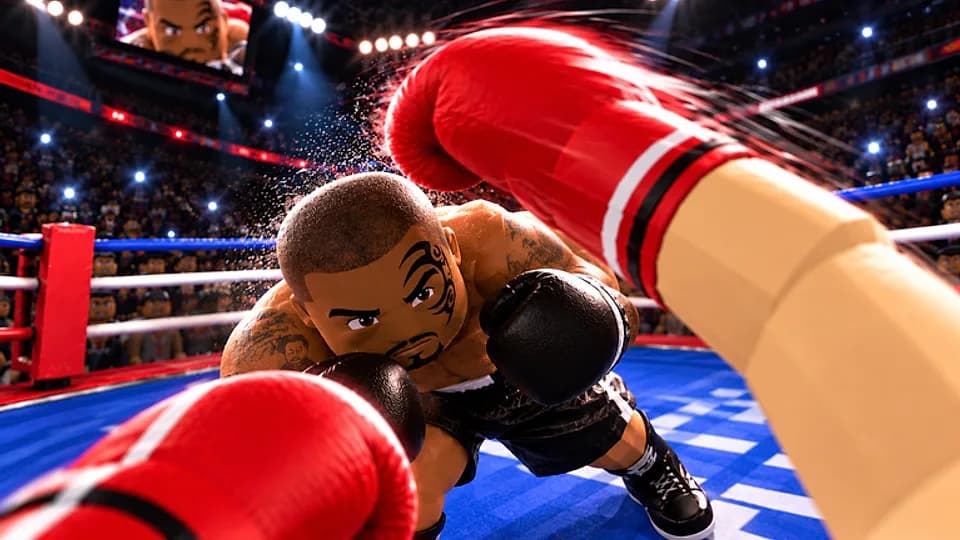
The Ultimate First Person Boxing Guide: Master Basics, Technique, and Training
Master the sweet science with this ultimate First Person Boxing guide. Learn proper stances, foundational punches, conditioning, and training strategies.