The Ultimate First Person Boxing Guide: Master Basics, Technique, and Training
Master the sweet science with this ultimate First Person Boxing guide. Learn proper stances, foundational punches, conditioning, and training strategies.
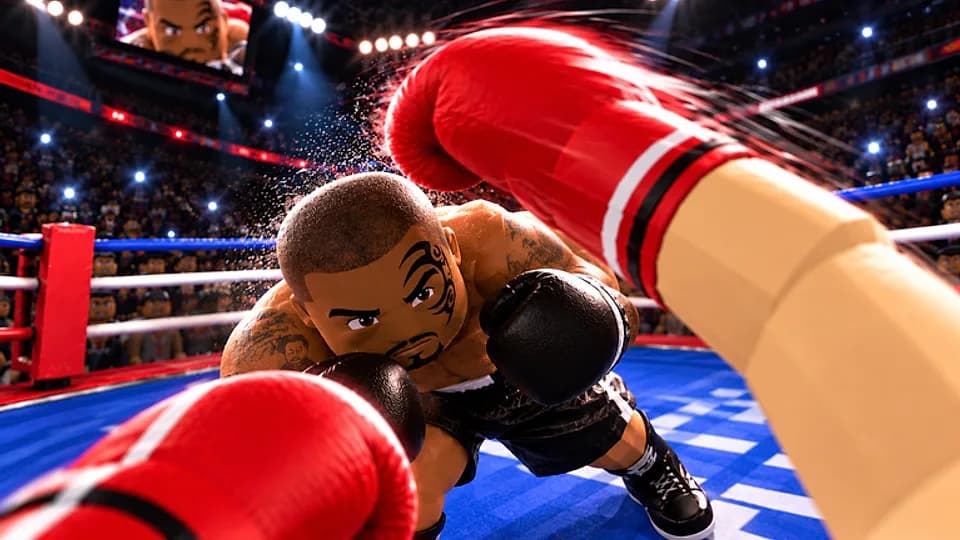
Stepping into the ring requires more than just raw grit; it demands an understanding of the sweet science that shapes every champion. If you are looking for a complete First Person Boxing guide, you have come to the right place to build your skills from the ground up. Whether your goal is stepping into amateur competition or building elite cardiovascular conditioning, mastering the fundamentals will change how you approach fitness and combat sports forever.
The Foundation: Stance, Footwork, and Posture
Before you throw a single punch, your body needs a secure platform. A proper boxing stance keeps you balanced, letting you transition smoothly between attack and defense. According to seasoned coaches and fighters, your stance forms the backbone of your entire boxing career.
| Stance Component | Proper Execution | Common Beginner Mistake |
|---|---|---|
| Foot Placement | Diagonal feet, slightly wider than shoulder-width, back heel raised. | Standing flat-footed with legs too wide or too narrow. |
| Hand Position | Elbows tucked down, hands glued high protecting your face. | Dropping hands to the chest or waist when tired. |
| Head and Chin | Chin tucked slightly down, eyes looking over your gloves. | Leaning your head forward past your front knee. |
Footwork is equally vital. Instead of bouncing around and wasting precious energy, beginners should master the basic step-drag and pivot maneuvers.
- The Step-Drag: Step with your lead foot when moving forward or left, then drag your rear foot to maintain balance.
- The Pivot: Rotate on the ball of your lead foot (45 to 180 degrees) to evade incoming attacks and create new angles for counter-punching.
Foundational Punches and Combinations
Throwing punches is the art of staying relaxed, accelerating sharply, and exhaling on impact. Every punch relies on whole-body rotation rather than arm strength alone. To help navigate this First Person Boxing guide, familiarizing yourself with the standard punch numbering system is essential.
| Punch Number | Punch Name | Technical Focus |
|---|---|---|
| 1 | Jab | Straight left, used to measure distance, blind opponents, and set up combos. |
| 2 | Right Cross | Strongest straight punch, rotating hips and pivoting the back foot. |
| 3 | Left Hook | Devastating power punch thrown from a side angle with a horizontal or vertical fist. |
| 4 | Overhand Right | Looping right hand used to bypass an opponent's high guard. |
| 5 | Left Uppercut | Short-to-mid range upward strike with the palm facing up. |
| 6 | Right Uppercut | Powerful close-range upward strike leveraging back-leg rotation. |
Once you understand the numbers, you can string together classic combinations like the basic 1-2 (Jab-Cross) or the 1-2-3 (Jab-Cross-Left Hook). Community reports and player experiences emphasize that throwing concise combinations of 3 to 5 punches prevents you from overcommitting and leaving your chin wide open.
Essential Equipment and Conditioning
You cannot build a house on sand, nor can you build a championship physique without the right gear and conditioning. Essential equipment protects your joints and ensures you can train safely week after week.
- Handwraps: Crucial for stabilizing your wrists and protecting the small bones in your hands before putting on gloves.
- Boxing Gloves: Standard 16oz training gloves provide the best overall hand protection for bag work, mitts, and sparring.
- Mouthguard: A mandatory piece of safety gear to prevent dental damage, jaw displacement, and concussions.
Conditioning makes up roughly 50% of an effective training regimen. Boxing requires immense anaerobic endurance, meaning your routine should balance roadwork, sprints, skipping rope, and bodyweight calisthenics.
| Training Phase | Recommended Activities | Purpose |
|---|---|---|
| Warm-up | 3 rounds jump rope, 3 rounds shadowboxing, dynamic stretching | Elevate heart rate and loosen muscles |
| Skill Work | Focus mitts, double-end bag, heavy bag work | Refine punch accuracy, speed, and form |
| Cool-down | 100 push-ups, 100 sit-ups, static stretching | Accelerate muscle recovery and flexibility |
Strategy, Sparring, and Mindset
Boxing is famously described as 90% mental. When transitioning from heavy bags to live sparring, maintaining emotional control is paramount. Community feedback highlights that you are not in the gym to take unnecessary punishment; your goal is to learn defensive mastery, head movement, and distance management.
Always start sparring slowly. If you or your partner are flinching or getting hurt, the pace is too fast. Utilize a structured three-round fight strategy to manage your energy reserves:
- Round 1 (The Feel-Out Round): Move around, use your jab, test your opponent's timing, and assess where they leave openings.
- Round 2 (The Engagement Round): Increase your output, throw harder combinations, and keep your back away from the ropes.
- Round 3 (The Championship Round): Empty the tank. Apply steady pressure with your most effective punches until the final bell rings.
For broader athletic perspectives and advanced conditioning frameworks, you can explore professional resources via USA Boxing to deepen your understanding of amateur competition rules and safety standards.
Frequently Asked Questions
How long does it take to learn the basics of boxing?
You can learn the basic stance, footwork, and foundational punches on your very first day. However, developing muscle memory, proper head movement, and reflex conditioning typically takes several months of consistent, daily practice.
Can I train in boxing at home without a gym?
Yes, you can learn fundamental techniques at home using a heavy bag, jump rope, and mirror shadowboxing. However, community reports consistently show that training without a coach slows down your technical progress because you lack professional oversight to correct hidden mistakes.
Should I lift heavy weights to increase punching power?
Traditional boxing training prioritizes muscular endurance, speed, and core rotation over heavy bodybuilding lifts. While supplemental resistance training can help, heavy lifting alone will not maximize your punching power if your speed and technique are lacking.
How do I stop closing my eyes when punches are thrown?
The flinch reflex is natural when facing incoming strikes. To overcome this, start with slow, controlled sparring drills (such as jabs-only) and consciously focus on keeping your eyes open, breathing steadily, and trusting your defensive block.
Related Guides
First Person Boxing How to Play: Master Controls, Tactics, and Ringside Strategy
Learn First Person Boxing how to play with this ultimate guide. Master controls, stamina management, counters, and tactical slips to dominate the ring.
First Person Boxing Tips: Essential Strategies to Dominate Your First Match
Master your debut in the ring with proven first person boxing tips, conditioning strategies, and expert round-by-round tactical advice.
Mastering First Person Boxing Controls: Complete Game Guide & Combos
Learn essential First Person Boxing controls, movement tactics, and combinations to dominate the ring. Complete beginner-to-pro guide for virtual bouts.
The Ultimate First Person Boxing Beginner Guide: Master the Sweet Science
Master the sweet science with this comprehensive First Person Boxing beginner guide. Learn essential stances, lethal punches, footwork, and training tips.